Earth Pollution
Earth pollution occurs when harmful substances or pollutants are introduced into the environment, negatively impacting natural ecosystems, wildlife, and human health. Pollution can take many forms, including air, water, soil, and noise pollution. Here’s how pollution typically happens in each of these areas:
1. Air Pollution
- Sources: Factories, vehicles, burning fossil fuels (coal, oil, natural gas), deforestation, and agricultural activities.
- How it Happens: Harmful gases like carbon dioxide (CO2), sulfur dioxide (SO2), nitrogen oxides (NOx), and particulate matter are released into the atmosphere. These pollutants can cause respiratory problems in humans and contribute to climate change by trapping heat in the Earth’s atmosphere (greenhouse effect).
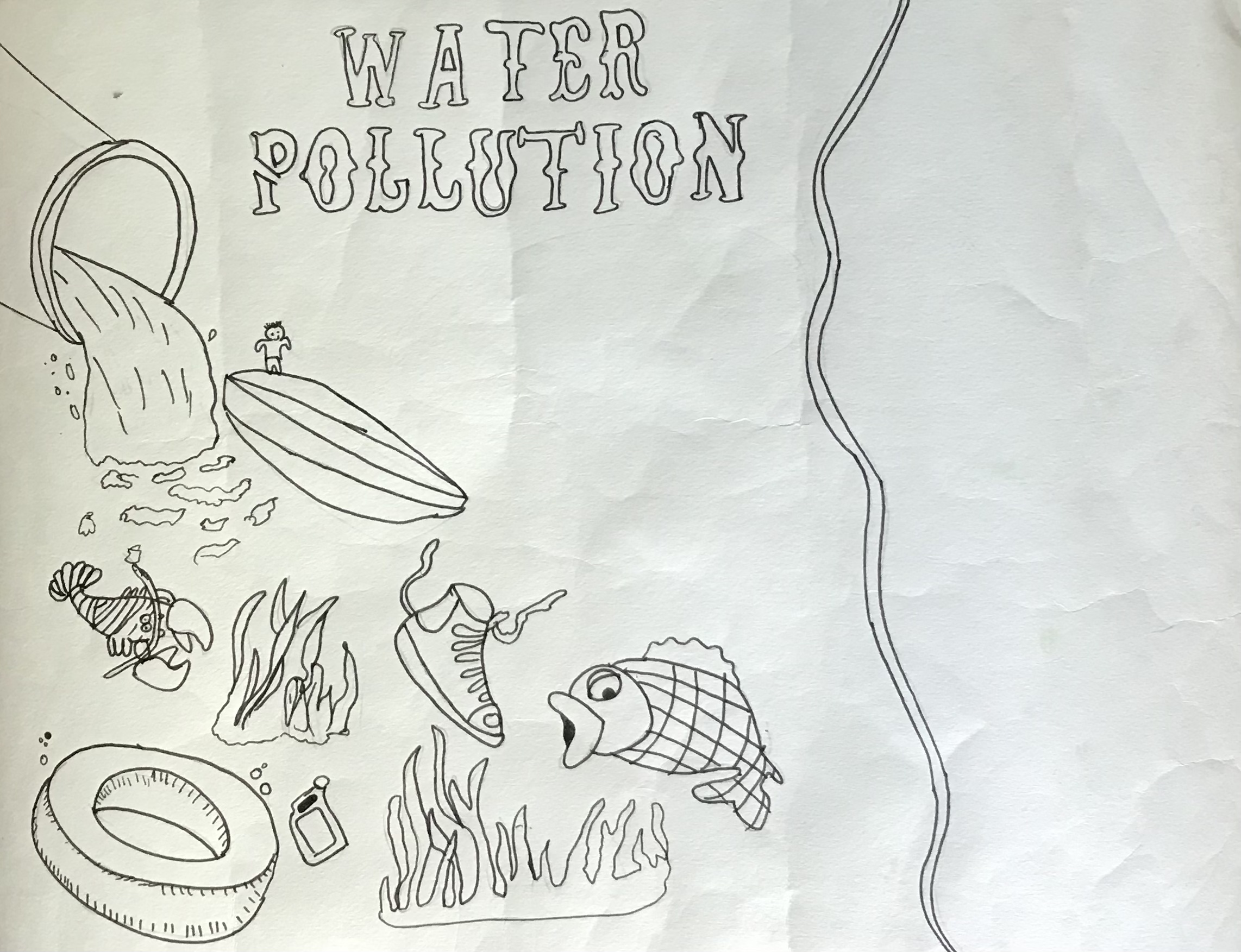
2. Water Pollution
- Sources: Industrial waste, agricultural runoff (pesticides and fertilizers), sewage and wastewater, oil spills, plastic waste, and chemical dumping.
- How it Happens: Pollutants enter rivers, lakes, oceans, and groundwater systems, contaminating the water supply. This can harm aquatic life, disrupt ecosystems, and make water unsafe for drinking and recreational activities.
3. Soil Pollution
- Sources: Agricultural chemicals (pesticides, herbicides, and fertilizers), industrial waste, mining activities, improper disposal of hazardous waste, and deforestation.
- How it Happens: Pollutants are absorbed by the soil, leading to reduced fertility, contamination of crops, and the disruption of natural soil ecosystems. Harmful chemicals can also leach into groundwater, further spreading contamination.
4. Noise Pollution
- Sources: Urbanization, transportation (cars, trains, planes), industrial activities, construction work, and loud entertainment.
- How it Happens: Excessive noise can disrupt human and animal life, leading to stress, hearing loss, and disruption of communication in wildlife species.
5. Plastic Pollution
- Sources: Improper disposal of plastic products, single-use plastics, and microplastics.
- How it Happens: Plastic waste accumulates in the environment, especially in oceans, where it can harm marine life. Plastics break down into smaller particles (microplastics) that can enter the food chain, posing risks to wildlife and humans.
6. Chemical Pollution
- Sources: Industrial processes, agricultural chemicals, household products (cleaners, paints), and pharmaceuticals.
- How it Happens: Toxic chemicals are released into the air, water, and soil, leading to contamination. These chemicals can be persistent and accumulate in the environment, causing long-term damage to ecosystems and health issues in humans.
7. Light Pollution
- Sources: Excessive or misdirected artificial lighting from cities, streetlights, and billboards.
- How it Happens: Bright lights disrupt natural night cycles, affecting wildlife and human sleep patterns. It also obscures the visibility of stars and other celestial bodies.
Effects of Pollution:
- Health Issues: Respiratory problems, cardiovascular diseases, cancer, and developmental issues.
- Environmental Impact: Loss of biodiversity, habitat destruction, and disruption of ecosystems.
- Climate Change: Increased greenhouse gas emissions contribute to global warming, extreme weather events, and rising sea levels.
Preventing Pollution:
- Reduce Emissions: Use cleaner energy sources, reduce vehicle emissions, and promote energy efficiency.
- Waste Management: Proper disposal and recycling of waste, reducing single-use plastics, and managing industrial waste responsibly.
- Sustainable Practices: Adopt sustainable farming, reduce deforestation, and protect natural habitats.
- Regulation and Policies: Governments can enforce environmental regulations and promote policies that reduce pollution.
Reducing pollution requires collective action from individuals, industries, and governments to protect the planet and ensure a healthier environment for future generation.